 ALCOHOL
Gray Area Drinking: The Space Between Social and Problem Drinking
Not an alcoholic, but not quite comfortable with how much you drink? That middle ground has a name. Here is what gray area drinking is and what you can do about it.

Home / Blog
Clear, evidence-informed articles about addiction, withdrawal, treatment and recovery. Written for the person reading at the kitchen table, not the clinic.
ALCOHOLNot an alcoholic, but not quite comfortable with how much you drink? That middle ground has a name. Here is what gray area drinking is and what you can do about it.
 RECOVERY
Cross addiction is when one addiction gives way to another, such as alcohol to gambling or opioids to alcohol. Here is why it happens and how to spot it early.
 RECOVERY
A recovery coach is a trained guide, often with lived experience, who helps people build a life in recovery. Here is what they do and how to find one.
 BEHAVIORAL
A process addiction is when a behavior, not a substance, becomes hard to control. Here is how it shows up, why it happens, and where people find support.
 RECOVERY
Meth withdrawal often starts with a hard crash, then a longer stretch of low mood, tiredness and cravings. Here is what to expect and where to find support.
 ALCOHOL
Alcohol-induced psychosis can bring hallucinations, paranoia, or confused thinking during heavy drinking or withdrawal. Here is what it looks like, why it happens, and how to get help.
 ALCOHOL
Your liver clears alcohol at a fairly steady pace, and nothing speeds it up. Here is how the process works, what changes the timeline, and how long alcohol can be detected.
 TREATMENT
An intensive outpatient program offers structured addiction treatment several days a week while you live at home. Here is what IOP involves, who it suits, and how to find one.
 ALCOHOL
Wet brain is the common name for Wernicke-Korsakoff syndrome, a serious brain disorder linked to low thiamine. Here is how it develops, the signs to know, and why fast care matters.
 RECOVERY
Sober October is a 31-day break from alcohol. Here is what the month can look like week by week, how to handle invitations and pressure, and what it can teach you about your drinking.
 FAMILY
Neonatal abstinence syndrome happens when a newborn goes through withdrawal after birth. Here is what parents can expect, how babies are cared for, and where families can find support without judgment.
 RECOVERY
Being sober curious means getting curious about your relationship with alcohol, without needing a label or a forever promise. Here is what it looks like and how to explore it safely.
 RECOVERY
Tolerance, dependence, and addiction are often used as if they mean the same thing. They do not, and knowing the difference can make medication use safer and conversations with your doctor easier.
 RECOVERY
How food, hydration, and regular meals can support early recovery — and when to talk with a doctor about nutrition and withdrawal risk.
 ALCOHOL
Non-alcoholic beer and wine can feel helpful or risky in recovery. Calm, practical questions to ask before the holiday party season.
 TREATMENT
Treatment over video went from backup plan to mainstream option in a few years. This article looks at what actually works online, what does not, and how to choose.
 TREATMENT
Most of the fear about rehab comes from not knowing what happens inside. This guide walks through admissions, the first day, a typical schedule, therapy, and going home.
 FAMILY
Nobody sets out to enable an addiction. This article untangles helping from enabling, shows what to do instead of rescuing, and points to approaches with real evidence behind them.
 FAMILY
Addiction rarely hurts just one person. Here is how substance use reshapes trust, communication, and closeness, and how couples and families rebuild connection in recovery.
 ADDICTION
Nicotine pouches skip the smoke and vapor, but not the nicotine. Here is what that means for addiction, how pouches compare to vaping, and how people successfully quit.
 RECOVERY
Dopamine is not the pleasure chemical it is often called. Understanding what it really does explains cravings, tolerance, and why the first months of recovery can feel so flat.
 BEHAVIORAL
Training through injury. Panic when a workout gets missed. Exercise that no longer feels like a choice. Here is where dedication ends and compulsion begins, and what recovery looks like.
 ADDICTION
It started as a prescription for a rough stretch of insomnia. Now the bottle runs out early, and a night without it feels impossible. Here is what is actually happening, and how people get off it safely.
 ADDICTION
It was sold as the safe alternative to opioids. For a growing number of people, gabapentin has become something they cannot easily stop.
 RECOVERY
Nobody warns you about the first two weeks. The dreams, the sweat, the flat mood and the three in the morning ceiling. Here is what is actually happening and how to get through it.
 MENTAL HEALTH
A drink lifts your mood for an hour and borrows the payment from tomorrow. Over months and years, that trade can quietly build or deepen depression, and depression keeps the bottle close by.
 TREATMENT
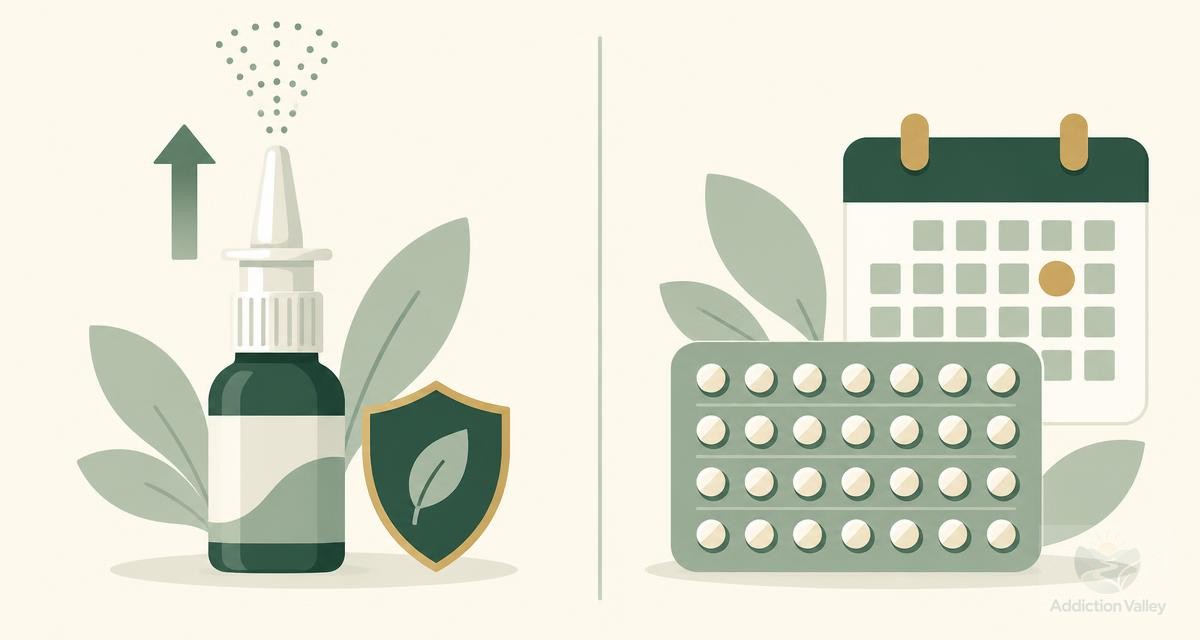
Two medications, six letters apart, doing completely different jobs. One saves a life in the next four minutes. The other quietly protects the next six months.
 TREATMENT
A PHP is full-day treatment without the overnight stay. For a lot of people it is the level of care that finally fits: real structure, real therapy, and your own bed at the end of it.
 RECOVERY
Detox is the short part. The foggy, restless, up-and-down months that follow have a name, a pattern, and a set of things that reliably help.
 ALCOHOL
Most people who drink too much never hit a dramatic rock bottom. The signals are quieter than that, and they usually show up in your sleep, your money and your mornings.
 MENTAL HEALTH
Anxiety makes a substance feel like relief. The substance then makes the anxiety worse. Understanding that loop is usually the first thing that breaks it.
 FAMILY & FRIENDS
Helping and enabling can look identical from the outside. The difference is in what happens next, and families deserve a clearer test than guilt.
 TREATMENT
Treatment is not one thing. It is a set of levels of care, and picking the right one matters more than picking the most expensive one.