
Naloxone vs Naltrexone: What Is the Difference?
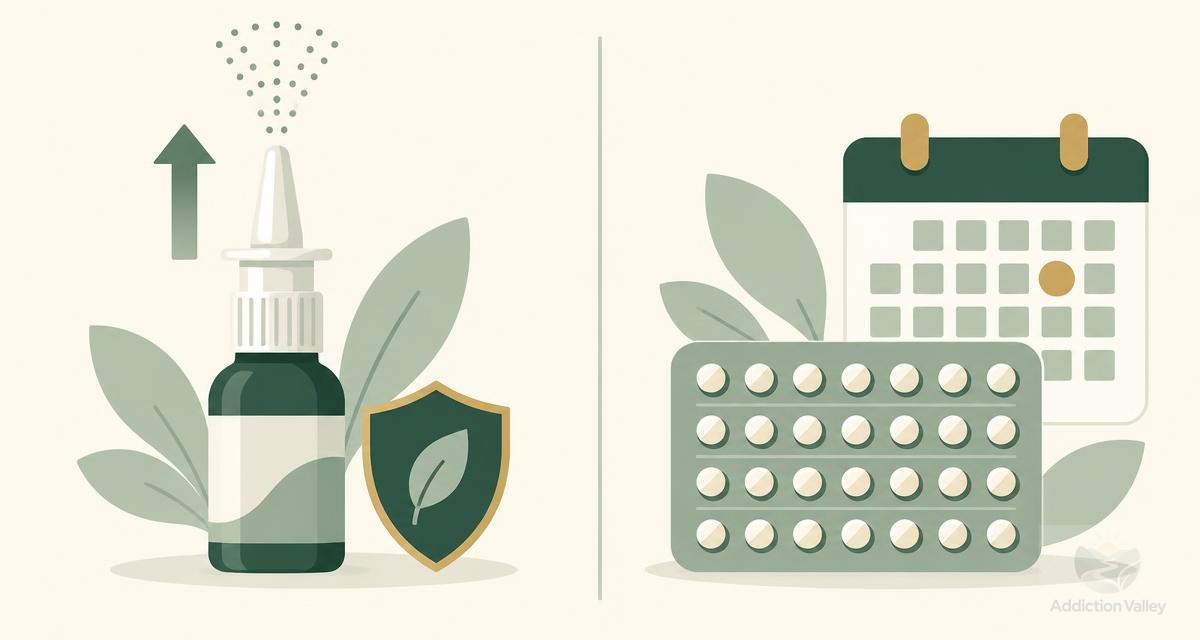
Naloxone and naltrexone sound almost identical, come from the same family of medications, and are constantly mixed up, including in pharmacies and emergency rooms. The confusion matters, because the two drugs are used at opposite ends of the same problem.
Naloxone is an emergency medication. It reverses an opioid overdose within minutes and is the active ingredient in Narcan. Naltrexone is a maintenance medication. It is taken daily as a tablet or monthly as an injection to reduce cravings and block the effect of opioids or alcohol over the long run.
This article explains what each one does, how they differ in timing, form and purpose, who each is for, what the side effects and risks are, and how to get hold of both in the United States.
The short answer
Naloxone is for the worst four minutes of someone's life. Naltrexone is for the months afterward. Both attach to the same opioid receptors in the brain, but they are used with completely different intentions.
- Naloxone: emergency overdose reversal, works in two to five minutes, wears off in 30 to 90 minutes, given as a nasal spray or injection by anyone present.
- Naltrexone: ongoing treatment for opioid or alcohol use disorder, taken daily as a pill or monthly as an injection, prescribed and monitored by a clinician.
- Naloxone does not treat addiction. Naltrexone does not reverse an overdose.
- Someone in recovery may reasonably be using both: naltrexone as treatment, naloxone kept in the house as insurance.
What naloxone does
Naloxone knocks opioids off the brain's receptors and takes their place. In an overdose, opioids have slowed or stopped breathing. Naloxone reverses that effect fast, usually restoring breathing within two to five minutes. The National Institute on Drug Abuse explainer on naloxone sets out how it works and the forms it comes in.
The nasal spray version, sold as Narcan and now available without a prescription in the US, is the form most people will ever use. There is no skill involved: you spray it into one nostril. It cannot hurt someone who has not taken opioids, which is why the advice is to use it whenever an overdose is possible rather than waiting to be certain.
What to know when using it
- Call 911 first. Naloxone buys time, it does not replace medical care.
- Give one dose in one nostril, then stay with the person.
- If there is no response after two to three minutes, give a second dose in the other nostril.
- Naloxone wears off in 30 to 90 minutes, which can be shorter than the opioid itself. Overdose can return, so the person must be seen by paramedics.
- Reversal can trigger sudden withdrawal, which is unpleasant and frightening but not dangerous. Keep the person calm and discourage them from using again to take the edge off.
Fentanyl and other synthetic opioids may require more than one dose, which is one reason kits usually come in pairs. Good Samaritan laws in most states protect people who call for help during an overdose.
What naltrexone does
Naltrexone blocks the same receptors, but slowly and continuously rather than as a rescue. Taken regularly, it removes the reward from opioids and reduces the pull of alcohol, so a drink or a dose no longer does what the brain expects. It is one of the FDA-approved medications for both alcohol use disorder and opioid use disorder, described in the SAMHSA overview of medications for substance use disorder.
The two forms
- Oral naltrexone, a 50 mg daily tablet. Cheap and flexible, but it only works on days it is actually taken.
- Extended-release injectable naltrexone, sold as Vivitrol, given monthly by a clinician. Removes the daily decision, which is why it tends to outperform the tablet for opioid use disorder.
For alcohol
Naltrexone does not make you sick if you drink, unlike disulfiram. It dulls the reward, so drinking becomes less compelling and many people find they stop earlier or skip it altogether. It can be started while someone is still drinking, which makes it one of the easiest first steps in alcohol treatment.
For opioids
Here the timing is critical. Naltrexone must not be started until someone has been off all opioids for roughly seven to ten days, or three to five days for short-acting ones. Starting too early forces immediate, severe withdrawal. This waiting period is the main practical reason people choose buprenorphine or methadone instead.
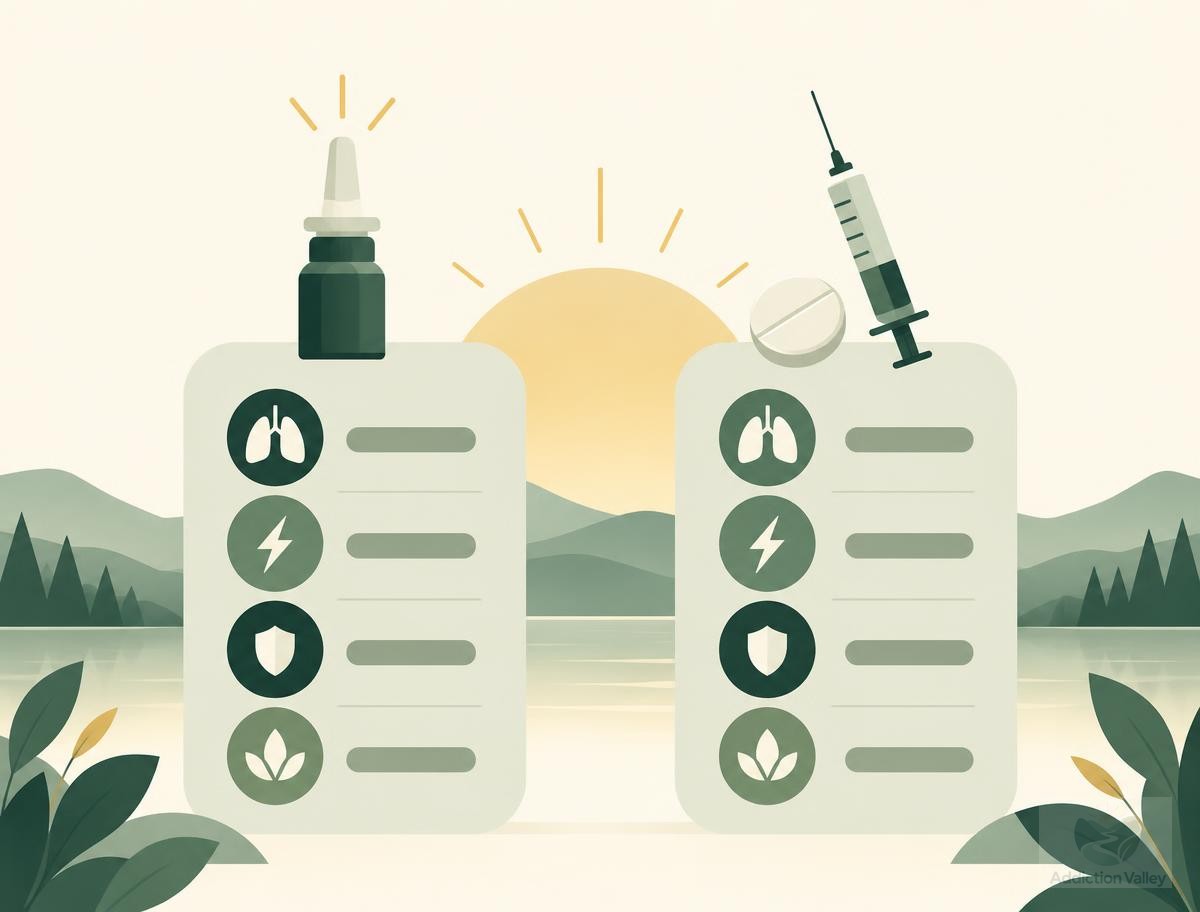
Side by side
Purpose
Naloxone exists to keep someone alive through an overdose. Naltrexone exists to make the months after treatment easier to hold onto. Neither replaces therapy, peer support or the practical work of rebuilding a life.
Timing
Naloxone acts within minutes and is gone within an hour or two. Naltrexone takes effect over days and is designed to be used for months or years.
Who gives it
Anyone can give naloxone: a friend, a bystander, a family member, a stranger on a train. Naltrexone is prescribed by a clinician after an assessment, and the injectable form is administered in a clinic.
Where it lives
Naloxone belongs in a bag, a glove box, a kitchen drawer and a workplace first aid kit. Naltrexone belongs in a treatment plan alongside counseling and regular review.
Side effects and risks
Naloxone
The main effect is sudden opioid withdrawal in someone who is dependent: nausea, sweating, agitation, aching, vomiting. Unpleasant, and occasionally met with anger, but not life-threatening. In someone who has not taken opioids, naloxone does essentially nothing. There is no realistic downside to giving it when in doubt.
Naltrexone
- Nausea in the first week or two is the most common complaint, and usually settles.
- Headache, tiredness, dizziness and trouble sleeping are reported early on.
- Injection site soreness with the monthly form.
- Liver function is usually checked before starting and periodically afterward.
- Standard opioid painkillers will not work normally while on it, so surgery, dental work and emergency care need to be flagged in advance.
Wearing or carrying something that identifies you as taking naltrexone helps emergency staff manage pain safely. Our guide on how buprenorphine treatment works covers the main alternative if the abstinence window is not realistic for you.
How to get each one
Naloxone
- Over the counter at most US pharmacies as Narcan nasal spray, no prescription needed.
- Free through many state and local health departments, syringe service programs and harm reduction organizations.
- Often free or low cost through community distribution programs, including mail-based ones in some states.
- Increasingly stocked in libraries, schools, bars and workplaces alongside first aid kits.
Naltrexone
- Prescribed by a primary care physician, psychiatrist or addiction specialist. No special waiver is required.
- Available through most addiction treatment programs and many telehealth services.
- Covered by most commercial insurance, Medicaid and Medicare as a behavioral health benefit, though the monthly injection often needs prior authorization.
- Generic tablets are inexpensive. The injectable form is far more costly, so check coverage before committing.
If you do not have a provider yet, findtreatment.gov lists licensed programs by location and payment type, and the SAMHSA National Helpline on 1-800-662-4357 is free, confidential and open around the clock.
Choosing between medications for ongoing treatment
The real decision is rarely naloxone versus naltrexone, since everyone at risk should have naloxone regardless. The decision is which maintenance medication fits: naltrexone, buprenorphine or methadone.
- Naltrexone suits people who have already completed detox, want nothing that acts like an opioid, and can manage the abstinence window beforehand.
- Buprenorphine suits people who need relief from cravings and withdrawal quickly, with flexible office-based prescribing.
- Methadone suits people with long, heavy opioid use who benefit from daily clinic structure.
- For alcohol, naltrexone is a first-line option and can be started without stopping drinking first.
None of these are moral choices, and none are a lesser form of recovery. Our comparison of methadone and Suboxone covers the opioid medication decision in more detail.
When to act immediately
Call 911 straight away if you see any of these signs in someone who may have used opioids.
- Slow, shallow or stopped breathing, or gurgling and snoring sounds.
- Blue or grey lips, fingertips or face.
- Pinpoint pupils and unresponsiveness to shouting or a hard rub on the breastbone.
- Limp body and cold, clammy skin.
Frequently asked questions
Is naltrexone the same as Narcan?
No. Narcan is a brand of naloxone, the emergency nasal spray that reverses an opioid overdose in minutes. Naltrexone is a daily tablet or monthly injection used over months to reduce cravings and block the effects of opioids or alcohol.
Can naltrexone reverse an overdose?
No. Naltrexone is not an emergency medication and is not absorbed fast enough to help someone who has stopped breathing. Only naloxone should be used for a suspected overdose, alongside calling 911.
How long do I have to be off opioids before starting naltrexone?
Usually seven to ten days, or three to five days after short-acting opioids. Starting sooner can trigger sudden, severe withdrawal, so a clinician will confirm the timing and may test before the first dose.
Does naltrexone work for alcohol?
Yes. It is one of the FDA-approved medications for alcohol use disorder. It reduces the reward from drinking rather than making you unwell, and it can be started while someone is still drinking.
Do I still need naloxone if I am taking naltrexone?
Yes. Tolerance falls while opioid effects are blocked, so a missed dose or stopping treatment raises overdose risk considerably. Keeping naloxone at home is a sensible precaution throughout.
Can I get naloxone without a prescription?
Yes. Narcan nasal spray is sold over the counter at most US pharmacies, and many health departments and harm reduction programs distribute it free.
Get naloxone before you need it
Most people who reverse an overdose are friends and family, not paramedics. Find out where to get free naloxone near you and what treatment options are available.
Find help and free naloxoneSources
- NIDA, Naloxone DrugFacts
- SAMHSA, Medications for substance use disorders
- FindTreatment.gov, federal treatment locator
- SAMHSA, National Helpline
This article is for information only and does not replace advice from a qualified clinician who knows your history. In the United States, call or text 988 for the Suicide and Crisis Lifeline.