
Marijuana Withdrawal: What It Feels Like and How Long It Lasts
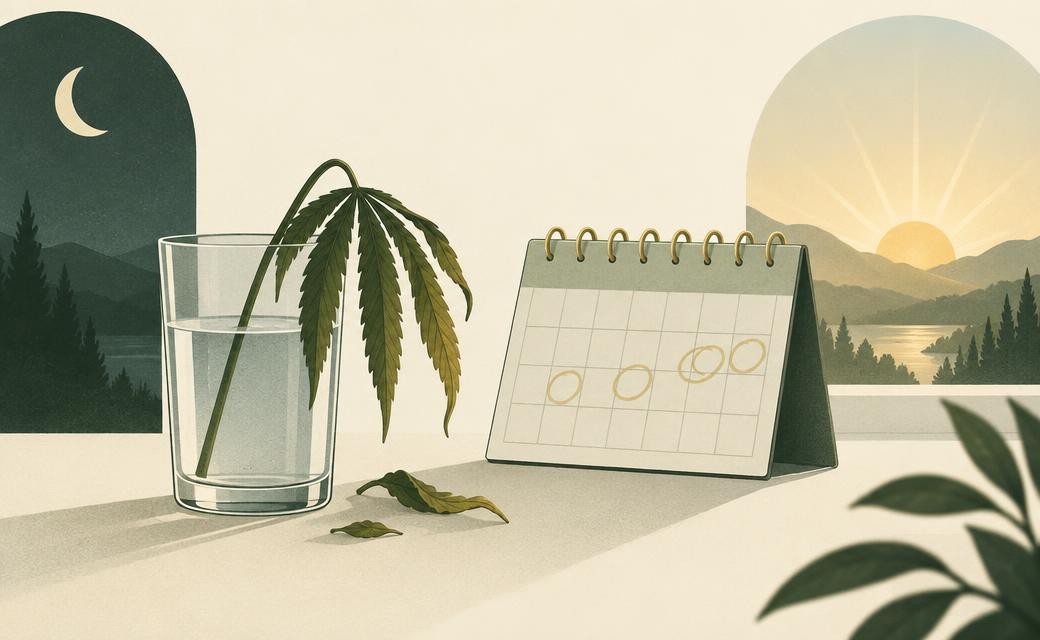
For years, cannabis withdrawal was treated as a myth. The official line was that it was not physically addictive, so quitting should be easy. Anyone who has quit daily use knows otherwise. The first week brings a recognizable cluster of symptoms: broken sleep, vivid dreams, irritability, no appetite and a flat, restless mood that makes ordinary days feel longer.
Clinicians now call it cannabis withdrawal syndrome, and it is well documented in people who stop after regular, heavy use. It is rarely dangerous in the way alcohol or benzodiazepine withdrawal can be, but it is uncomfortable enough to send a lot of people back to smoking within days, which is why it helps to know the shape of it in advance.
This article covers what withdrawal actually feels like, how long each symptom tends to last, what genuinely helps with sleep and appetite, and the signs that you might benefit from professional support rather than white-knuckling it alone.
Yes, marijuana withdrawal is real
Cannabis withdrawal syndrome is listed in the DSM-5, the diagnostic manual used by US clinicians, based on a consistent pattern of symptoms in people who stop after heavy, regular use. The SAMHSA overview of marijuana describes dependence and withdrawal as established findings, particularly with daily use of high-THC products.
The mechanism is straightforward. THC stimulates the brain's cannabinoid receptors constantly when use is daily. The brain adapts by dialing down its own natural version of that system. When THC stops arriving, the adapted brain is temporarily running below normal, and that gap is what withdrawal feels like: low mood, poor sleep, low appetite and irritability, all at once.
Whether you experience it depends mostly on how much, how often and how long you have been using. Occasional users rarely notice anything. Daily users of modern high-potency flower, vapes, dabs or edibles almost always notice something, and it is usually strongest in the first week.
The symptoms people report most
Withdrawal rarely announces itself as withdrawal. It looks like a bad mood and a broken week of sleep, which is part of why people underestimate it.
Sleep
- Trouble falling asleep, often the first and most stubborn symptom.
- Waking through the night, sometimes drenched in sweat.
- Intense, vivid or unsettling dreams, often remembered in unusual detail.
- Daytime tiredness even after what felt like a full night.
Mood
- Irritability that arrives out of proportion to anything that happened.
- Anxiety or a low-level sense of unease, especially in the evening.
- Flat mood and reduced interest in things you normally enjoy.
- Restlessness, feeling unable to settle into anything.
Body and appetite
- Reduced appetite, or food feeling unappealing in the first week.
- Headaches, mild stomach upset or nausea.
- Night sweats and occasional chills.
- Strong cravings, usually tied to habitual times of day like evenings.
The vivid dreams deserve their own mention because they surprise everyone. THC suppresses REM sleep. When you stop, REM rebounds hard, and the result is weeks of unusually intense dreams. It is normal, it fades, and it is actually a sign your sleep architecture is repairing.
How long it lasts: the usual timeline
Everyone's curve is different, but heavy daily users tend to follow a broadly similar pattern.

Days 1 to 3
Symptoms begin within the first day or two. Irritability, restlessness, poor appetite and trouble sleeping show up early. Cravings are frequent but usually tied to routine moments rather than constant.
Days 4 to 7
This is the peak. Sleep is at its worst, the vivid dreams arrive, mood is lowest and irritability is highest. Appetite is often still suppressed. Most relapses happen in this window, which is worth knowing in advance: the worst of it is a matter of days, not weeks.
Weeks 2 to 3
Most symptoms ease noticeably. Appetite returns, mood lifts, and sleep begins to lengthen even if dreams remain intense. Many people describe this as the point where quitting starts feeling like a decision rather than a punishment.
Weeks 4 and beyond
Acute withdrawal is generally over within about two to four weeks. Sleep, particularly dream intensity and depth, can take a few weeks longer to fully normalize after years of heavy use. Occasional cravings tied to stress or social settings can appear for months, but they get shorter and easier to ride out.
What actually helps, symptom by symptom
For sleep
- Keep a fixed wake time every day, including weekends. This anchors your body clock faster than anything else.
- Get daylight in your eyes within an hour of waking, even ten minutes on a doorstep.
- Cut caffeine after midday, and avoid napping to catch up.
- Accept short nights for the first week without fighting them; lying frustrated in bed trains the brain to dread the bed.
- If you are awake for more than about twenty minutes, get up, do something dull in low light, and return when sleepy.
For appetite
- Eat small amounts on a schedule rather than waiting for hunger.
- Favor soups, smoothies, toast, fruit and other easy foods in week one.
- Do not skip meals entirely; blood sugar dips amplify irritability and anxiety.
For mood and restlessness
- Walk daily, even for 15 minutes. Exercise measurably reduces withdrawal discomfort and rebuilds natural reward.
- Expect the evening to be the hard window, since that is when most habitual use happened, and plan something occupying for it.
- Tell one or two people you are quitting so the irritability has context and the cravings have somewhere to go.
The pattern of cravings matters more than their strength. They peak and fade within twenty to thirty minutes. If you can change your physical position and start a task when one hits, you rarely have to argue with it for long. Our guide on understanding withdrawal explains the general pattern across substances.
Setting the quit up to succeed
Most failed quits fail in the planning, not the willpower. A few practical moves before day one change the odds considerably.
- Pick a start date when the first week is as low-pressure as possible, and clear the house, car and drawers of everything related to using.
- Tell one person the date so it exists outside your own head.
- Plan the evening replacement before you need it: a series to start, a project, a class, anything that fills the hours you used to fill.
- Stock easy food for week one so low appetite does not become skipped meals.
- Expect a hard day around day five and treat it as the summit rather than a warning sign.
- Keep a two-line daily log of sleep and mood so week two can prove to you that week one is over.
Some people prefer to cut down first. There is little evidence it makes withdrawal easier, and tapering THC is difficult to measure, but switching from high-potency concentrates to lower-strength flower for a short period can soften the landing for very heavy users. If you want to talk through options, the SAMHSA National Helpline on 1-800-662-4357 is free, confidential and open 24 hours a day.
When it is more than withdrawal
Withdrawal should improve on a curve. Some patterns point to something else that deserves proper attention.
- Low mood that is constant, not wave-like, and is not lifting by weeks three or four.
- Anxiety or panic that is getting worse rather than settling.
- Thoughts of self-harm or suicide at any point.
- Cannabis was how you were managing another condition: anxiety, trauma, ADHD, chronic pain, and that condition is now untreated.
The last one is common and important. Many daily users were quietly self-medicating something real. Quitting does not create the underlying condition, it just removes the covering, and treating the condition directly is often what makes quitting stick. A clinician can help you sort withdrawal symptoms from everything else. Our article on how substance use and depression feed each other covers that loop in more detail.
What the weeks after withdrawal look like
People who quit daily use tend to describe the same sequence once withdrawal clears. Sleep deepens and dreams calm down around weeks four to six. Short-term memory and focus sharpen noticeably in the second month. Mood stabilizes, and the flat, muted feeling lifts. Money and time reappear in surprising quantities.
The challenge after week four is rarely physical. It is the habits and the identity: what evenings are for, how you unwind, what you do with friends who still smoke. That is the part worth working on while your body finishes its reset, and it is where support groups, counseling or simply a deliberate new routine earn their place. Browse our other guides and articles for the pieces that match where you are.
Frequently asked questions
Is marijuana withdrawal dangerous?
For almost everyone, no. It is uncomfortable but not medically dangerous, unlike alcohol or benzodiazepine withdrawal. The main risk is that the discomfort pushes people back to using in the first week. Anyone with thoughts of self-harm, or whose withdrawal uncovers untreated anxiety or depression, should speak to a clinician.
How long does marijuana withdrawal last?
Symptoms typically start within one to three days, peak around days four to seven, and ease substantially by the end of week two. Most people feel largely back to normal within two to four weeks, though sleep and vivid dreams can take a few weeks longer to fully settle after heavy daily use.
Why are my dreams so vivid after quitting weed?
THC suppresses REM sleep, the stage where most dreaming happens. When you stop, REM rebounds strongly for a few weeks, producing unusually intense and memorable dreams. It is a normal, temporary part of the brain rebalancing and a sign your sleep is repairing.
Will I be able to sleep without weed?
Yes, but expect the first one to two weeks to be rough. A fixed wake time, morning daylight, no afternoon caffeine, and getting up briefly when stuck awake all help the brain relearn natural sleep faster. Sleep quality after recovery is typically better than it was during heavy use.
Does everyone get withdrawal symptoms?
No. Symptoms are most common in people using daily or near-daily, especially high-THC products like vapes, dabs and potent edibles. Occasional users usually stop with few or no symptoms.
Should I taper off or quit all at once?
Either can work. Quitting completely gives a clearer timeline, while stepping down from high-potency products first can soften the first week for very heavy users. The more important factors are picking a realistic date, removing supplies, and planning what replaces the habit.
Get through week one with support
You do not have to plan this alone. Find free, confidential help near you, or talk to someone who can help you decide what comes next.
Find support optionsSources
- SAMHSA, Marijuana
- NIDA, Cannabis (Marijuana) DrugFacts
- SAMHSA, National Helpline
- FindTreatment.gov, federal treatment locator
This article is for information only and does not replace advice from a qualified clinician who knows your history. In the United States, call or text 988 for the Suicide and Crisis Lifeline.