Home / Substances / Fentanyl
Fentanyl: Overdose Risk, Counterfeit Pills and Treatment That Works

Illicitly manufactured fentanyl is now the leading driver of overdose death in the United States. It is far more potent than heroin or morphine, it is mixed into counterfeit pills and other drugs without users knowing, and a dose the size of a few grains of salt can be fatal. This page covers what fentanyl is, how counterfeit pills spread the risk, how to recognize and respond to an overdose with naloxone, the withdrawal timeline, and the medications proven to keep people alive and in recovery.
Quick answers
What makes fentanyl more dangerous than other opioids?
Its extreme potency. A dose as small as 2 milligrams, about the size of a few grains of salt, can be lethal. It is also mixed inconsistently into other drugs, so a person often has no reliable way to know how much they are actually taking.
Can fentanyl be in pills that look like real prescriptions?
Yes. Counterfeit pills made to look like oxycodone, Xanax or Adderall are widely sold and frequently contain lethal amounts of fentanyl. The DEA has found fentanyl in roughly 7 out of 10 counterfeit pills it tests.
How is a fentanyl overdose treated?
Call 911, give naloxone right away, and start rescue breathing if the person is not breathing normally. Because fentanyl is so potent, more than one dose of naloxone is often needed, and the person still needs emergency medical evaluation.
Where do I start?
Call the SAMHSA National Helpline at 1-800-662-4357, free and confidential every hour of the day, or search FindTreatment.gov for buprenorphine and methadone programs near you.
What fentanyl is, in plain terms
Fentanyl is a synthetic opioid originally developed for severe pain, such as after surgery or with advanced cancer, and it is legitimately prescribed under medical supervision in patch, lozenge or injectable form. The fentanyl driving the overdose crisis is different: illicitly manufactured fentanyl made in unregulated labs and sold on the illegal drug market. The NIDA research topic on fentanyl explains why this form is so much more dangerous than diverted pharmaceutical fentanyl.
Why it spread so fast
- It is cheap and easy to manufacture compared with heroin, which requires poppy cultivation.
- It is often mixed into heroin, cocaine, methamphetamine and counterfeit pills to cut costs or increase potency.
- Because it is so potent, tiny measuring errors during mixing create huge differences in dose between pills from the same batch.
- Many people who overdose on fentanyl did not intend to use an opioid at all.
This unpredictability is why fentanyl test strips and naloxone are now considered essential safety tools for anyone who uses drugs obtained outside a pharmacy, not just for people who use opioids intentionally.
Counterfeit pills: the hidden risk
Pills bought outside a licensed pharmacy, including through social media and messaging apps, are increasingly counterfeit. They are pressed to look identical to real prescription oxycodone, alprazolam or amphetamine tablets, often stamped with the correct markings.
| What people think they are buying | What it may actually contain |
|---|---|
| Prescription oxycodone (a common counterfeit target) | Fentanyl, at a variable and unpredictable dose |
| Xanax (alprazolam) | Fentanyl mixed with or substituted for the actual medication |
| Adderall (mixed amphetamine salts) | Methamphetamine, sometimes combined with fentanyl |
| A pill from a trusted-seeming online seller | No quality control, no way to verify contents |
Overdose: recognizing it and responding with naloxone
The CDC guidance on naloxone confirms it reverses fentanyl overdose the same way it reverses other opioid overdoses, though the high potency of fentanyl means more naloxone is often needed.
| Sign of overdose | What to do |
|---|---|
| Unresponsive, will not wake with a shout or sternum rub | Call 911 immediately |
| Slow, shallow or stopped breathing | Give naloxone and begin rescue breathing |
| Blue or gray lips and fingertips | Give naloxone, start rescue breathing, keep calling for help |
| Body stiff, chest wall rigid (can occur with fentanyl) | Call 911, this needs emergency medical care beyond naloxone |
| No improvement after 2 to 3 minutes | Give a second dose of naloxone; repeat as needed, ideally every 2 to 3 minutes |
Xylazine, a non-opioid animal sedative, is now found mixed into much of the illicit fentanyl supply in many parts of the country. Naloxone will not reverse xylazine, but it should still be given immediately because fentanyl is almost always also present. See our guide on xylazine for what to watch for, including severe skin wounds associated with its use.
Fentanyl withdrawal: the timeline
Fentanyl withdrawal follows the same general pattern as other opioids but can start sooner, feel more intense, and in some cases last longer because fentanyl builds up in body fat with regular use.
| Time since last use | What commonly happens |
|---|---|
| 3 to 8 hours | Anxiety, muscle aches, yawning, runny nose, sweating |
| 12 to 24 hours | Escalating nausea, cramping, restlessness, insomnia |
| Day 1 to 3 | Peak symptoms: vomiting, diarrhea, chills, tremor, intense cravings |
| Day 4 to 7 | Gradual easing of physical symptoms, exhaustion continues |
| Weeks beyond | Post-acute symptoms: low mood, fatigue, disrupted sleep, cravings |
What comes after the physical symptoms fade is covered in how long post-acute withdrawal really lasts.
Treatment that works: medications first
As with heroin, medication is the treatment with the strongest evidence for fentanyl use disorder. NIDA reports that medication treatment roughly cuts overdose death risk in half compared with no medication.
- Buprenorphine (Suboxone and others): reduces cravings and withdrawal, available through office-based prescribers and telehealth.
- Methadone: dispensed daily at licensed opioid treatment programs, often preferred for severe or long-standing fentanyl use.
- Extended-release naltrexone (Vivitrol): an opioid blocker given monthly, an option once withdrawal is complete.
- Counseling and peer support, which improve outcomes when combined with medication.
Why fentanyl makes induction harder
- Fentanyl accumulates in body fat, so it can linger longer than its short half-life suggests.
- Starting buprenorphine while fentanyl is still present risks precipitated withdrawal, a sudden and severe reaction.
- Many programs now use low-dose or micro-dosing induction schedules, sometimes started while a small amount of opioid use continues, under medical supervision.
- Methadone does not carry the same precipitated withdrawal risk and is sometimes preferred as a starting point for heavy fentanyl use.
Harm reduction: staying alive until ready for treatment
Because fentanyl is now present across the illegal drug supply, harm reduction matters even for people who do not intend to use opioids. SAMHSA and CDC recognize these steps as an evidence-based part of reducing overdose deaths.
- Never use alone; if that is not possible, use a hotline or app that checks in during use.
- Carry naloxone and make sure the people around you know how and when to use it.
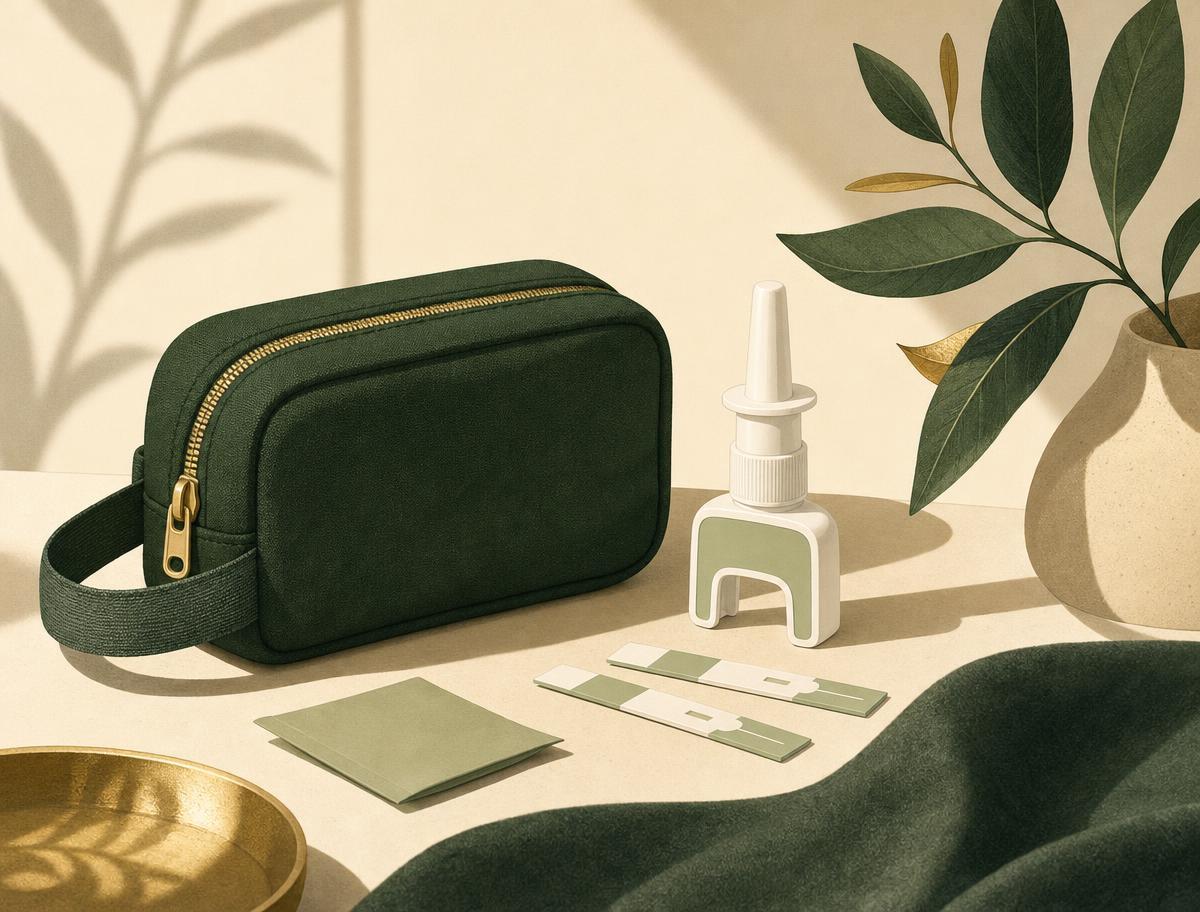
- Use fentanyl test strips on pills and powders, even ones that look legitimate, understanding a negative result is not a guarantee.
- Avoid combining opioids with alcohol, benzodiazepines or other sedatives, which sharply increases overdose risk.
- Only take pills dispensed directly by a licensed pharmacy.
- Use syringe services programs for sterile supplies if injecting.
What treatment costs and how to pay for it
- Insurance: opioid use disorder medications and counseling are covered by most plans and Medicaid in every state under parity law.
- Opioid treatment programs: many offer sliding scale fees for methadone based on income.
- Community health centers: often provide buprenorphine at low or no cost regardless of insurance status.
- State opioid response funding: supports treatment and free naloxone distribution in every state.
- Free naloxone and fentanyl test strips: available through local health departments and community harm reduction programs in most areas.
Search by service type, medication offered and payment accepted at FindTreatment.gov.
What recovery usually looks like
| Stage | Common experience | What helps most |
|---|---|---|
| Week 1 to 2 | Acute withdrawal, adjusted medication induction | Medical supervision, hydration, patience with dosing |
| Week 3 to 4 | Cravings easing as medication stabilizes | Steady dosing, counseling starting, peer support |
| Month 2 to 3 | Routine rebuilding, sleep and mood improving | Addressing housing, legal or family issues |
| Month 4 to 6 | Fewer cravings, rebuilding trust | Family involvement, continued medication |
| Month 6 to 12 | Stable routine, medication as long-term maintenance | Ongoing care; any tapering only with medical guidance |
Loved ones often feel torn between helping and enabling. How to support a loved one without enabling covers how to stay involved without shielding someone from consequences that can motivate treatment.
How to get help today
- Call the SAMHSA National Helpline at 1-800-662-4357. Free, confidential, 24 hours a day.
- Search FindTreatment.gov for buprenorphine, methadone or naltrexone providers near you.
- Get naloxone today from a pharmacy or local health department, even before treatment starts, and carry more than one dose.
- Ask about a fentanyl-adjusted induction if starting buprenorphine.
- Get fentanyl test strips if you or someone you care about uses drugs obtained outside a pharmacy.
Frequently asked questions
How is illicit fentanyl different from prescription fentanyl?
Prescription fentanyl is manufactured under strict quality control and dosed precisely for medical use, such as severe pain management. Illicitly manufactured fentanyl is made in unregulated settings, mixed unevenly into other drugs and pills, and carries a much higher and unpredictable overdose risk.
How much fentanyl can be fatal?
As little as about 2 milligrams, roughly the size of a few grains of salt, can be lethal for some people, though tolerance affects individual risk. Because doses in illicit products are inconsistent, there is no way to judge a safe amount by looking at a pill or powder.
Why do counterfeit pills matter if I only take prescription-looking medication?
Pills bought outside a licensed pharmacy, including through social media, are frequently counterfeit and cannot be reliably distinguished from genuine medication by appearance. The DEA has found fentanyl in a large majority of the counterfeit pills it has tested.
Does naloxone work on fentanyl overdoses?
Yes, naloxone reverses fentanyl overdose the same way it reverses other opioid overdoses. Because fentanyl is so potent, more than one dose is often needed, and 911 should always be called since naloxone can wear off before fentanyl does.
What is xylazine and does naloxone work on it?
Xylazine is an animal sedative increasingly mixed into the illicit fentanyl supply. It is not an opioid, so naloxone does not reverse its effects, but naloxone should still be given immediately because fentanyl is almost always present too. Xylazine is also linked to severe skin wounds. See our guide on xylazine for more.
Why is starting buprenorphine harder with fentanyl than with other opioids?
Fentanyl builds up in body fat and can linger longer than expected, which raises the risk of precipitated withdrawal, a sudden and severe reaction, if buprenorphine is started too soon. Many prescribers now use low-dose or micro-dosing induction protocols developed specifically for this problem.
How long does fentanyl withdrawal last?
Physical symptoms often peak within the first one to three days and substantially improve within a week, though this can vary based on how long and how heavily someone used. Cravings, low mood and disrupted sleep can persist for weeks afterward.
Is it safe to use fentanyl test strips instead of getting treatment?
Test strips reduce risk but do not eliminate it, since they cannot measure how much fentanyl is present or guarantee an even mix throughout a batch. They are a harm reduction tool for people not yet ready for treatment, not a substitute for it.
Where can I get free naloxone?
Most local health departments, syringe service programs and many community organizations distribute naloxone at no cost. It is also available without a prescription at most pharmacies nationwide.
Can someone recover from fentanyl addiction?
Yes. Medication treatment with buprenorphine or methadone, combined with counseling and support, helps many people achieve long-term recovery from fentanyl use disorder, even after severe or long-standing use.
Talk to someone this week
A doctor or trained helpline counselor can help you choose a safe next step. Support is free and confidential.
Call 1-800-662-4357Sources
- NIDA, Fentanyl research topic
- CDC, Lifesaving naloxone
- SAMHSA National Helpline, 1-800-662-HELP
- FindTreatment.gov, federal treatment locator
This page is for information only and does not replace advice from a qualified clinician who knows your history. In the United States, call or text 988 for the Suicide and Crisis Lifeline.