
Dopamine and Addiction: How the Reward System Gets Hijacked
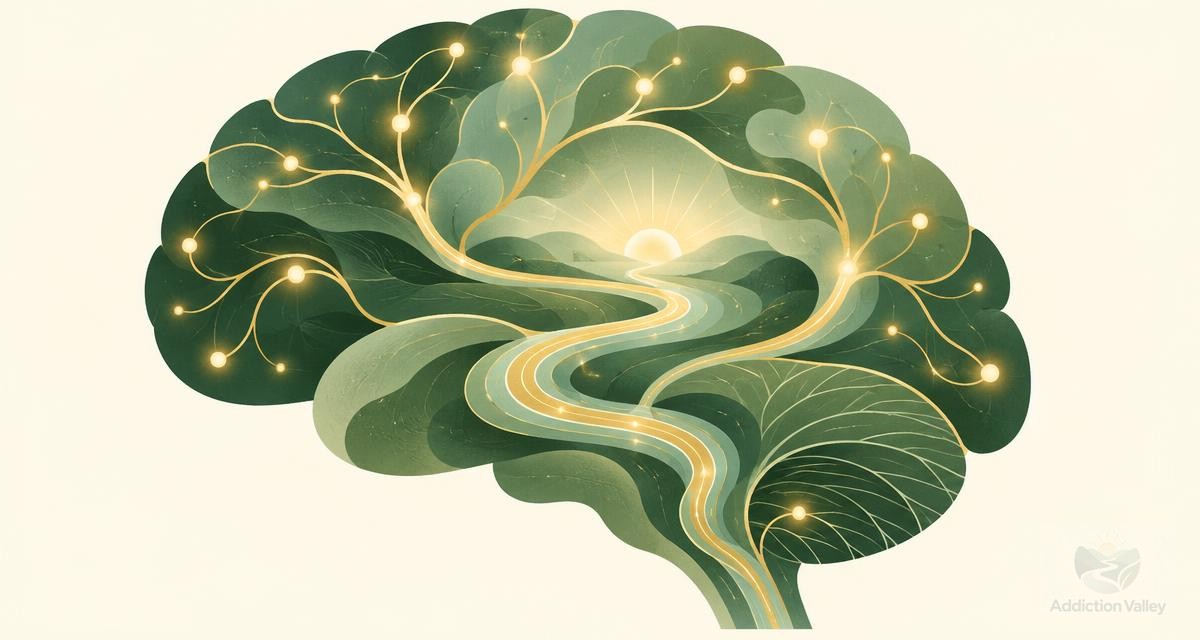
You have probably heard dopamine described as the brain's pleasure chemical. It is a catchy phrase, and it is mostly wrong. Dopamine has less to do with feeling good and more to do with wanting, learning, and paying attention to whatever the brain decides is important.
That difference matters a lot for addiction. It explains why cravings can feel stronger than the enjoyment ever was, why the same amount of a substance stops working, and why so many people feel flat and unmotivated in the first weeks and months after they stop.
This article walks through how the reward system normally works, what repeated substance use or compulsive behavior does to it, and the encouraging part: how the brain gradually rebalances in recovery.
What dopamine actually does
Dopamine is a chemical messenger that neurons use to signal each other. In the reward system, a set of connected brain areas, it acts like a highlighter. When something useful happens, such as eating when hungry or connecting with a friend, dopamine helps the brain note it and repeat the behavior. The National Institute on Drug Abuse explains that this circuit exists to keep us doing things that help us survive.
Importantly, dopamine often rises before the reward, not just during it. It spikes when the brain spots a cue that predicts something good. That is why the sight of a bar, a familiar street corner, or a notification sound can trigger a strong pull on its own.
Wanting versus liking
- Wanting: the drive, motivation, and urge to seek something out. Dopamine is heavily involved here.
- Liking: the actual enjoyment in the moment. This relies more on other brain chemicals, such as natural opioids.
- In addiction, wanting can grow much stronger while liking stays the same or fades.
How substances and behaviors hijack the system
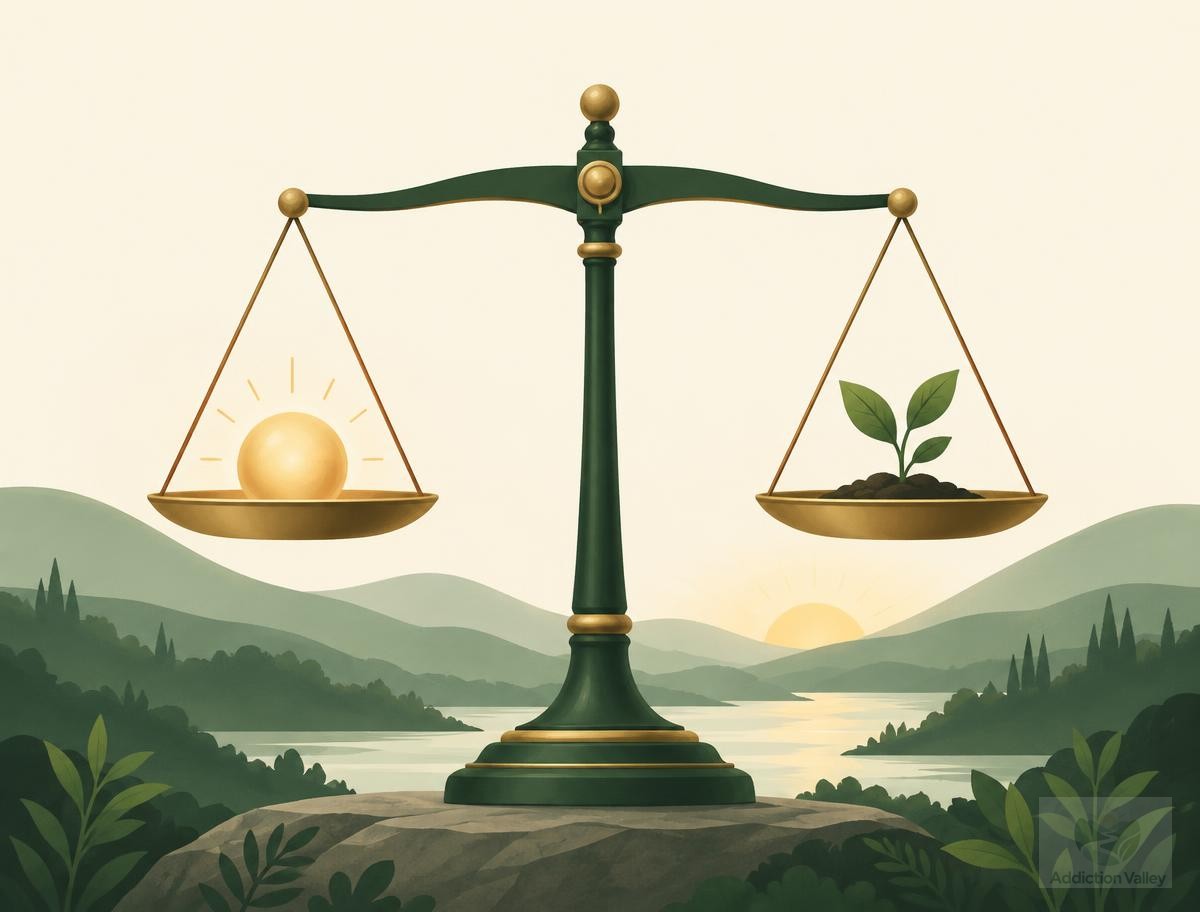
Natural rewards cause modest, short dopamine increases. Many addictive substances cause much larger and faster ones, either by releasing dopamine directly, blocking its cleanup, or switching off the brakes that normally hold it in check. The brain reads this as a signal that something extremely important just happened.
Behaviors such as gambling or gaming work on the same circuit in a different way. Unpredictable rewards, like a slot machine win that could come on any spin, are especially powerful at driving dopamine-linked learning.
Why cues become so powerful
With repetition, the brain links the reward to everything around it: people, places, times of day, moods. Those cues start triggering dopamine and craving on their own, sometimes years later. This is learning, not a lack of willpower.
Tolerance: why the same amount stops working
When the reward system is flooded again and again, the brain protects itself by turning down the volume. It can reduce the number of dopamine receptors and make them less responsive. Brain imaging research summarized by the National Institute on Alcohol Abuse and Alcoholism describes how this shift moves people from using to feel good toward using to feel normal.
- More of the substance or behavior is needed to get the same effect.
- Everyday pleasures, such as food, music, or time with family, feel dull by comparison.
- Stress systems become more active, so stopping brings irritability and low mood.
Why early recovery can feel so flat
Many people expect to feel better right away after stopping. Instead, they feel empty. The word for this is anhedonia, a reduced ability to feel pleasure. It happens because the reward system is still turned down while the big artificial boosts are gone.
This flat stretch is a common part of post-acute withdrawal, and it is one of the most common reasons people return to use. Knowing that it is expected, and temporary, can make it easier to ride out.
Signs the reward system is still recalibrating
- Hobbies you used to enjoy feel like chores.
- Low motivation even for things you care about.
- Strong cravings triggered by stress or boredom.
- Mood that is flat more than sad, with occasional better days.
How the brain rebalances
The brain is adaptable. Studies of people in recovery from stimulants and alcohol have found that dopamine function can improve substantially over months of abstinence, though the timeline varies from person to person. Recovery is gradual, and the improvement is often easier to see looking back than day to day.
Habits that support a healthier reward system
- Keep a regular sleep schedule, since poor sleep dampens motivation and mood.
- Move your body most days. Even short walks support mood and energy.
- Plan small, reachable rewards, like a favorite meal or an evening with a friend.
- Spend time with people. Social connection is one of the brain's natural rewards.
- Try something new or learn a skill, which gives the brain fresh, healthy goals.
- Reduce exposure to strong cues while the brain is still relearning.
Treatment helps too. Counseling approaches such as cognitive behavioral therapy teach ways to handle cues and cravings, and medications for cravings can reduce the pull while the brain heals.
Common dopamine myths
- Myth: a dopamine detox resets your brain in a weekend. Reality: recovery of the reward system takes months, and short breaks are not a substitute for treatment.
- Myth: addiction is only about dopamine. Reality: stress systems, memory, decision-making areas, genetics, and life circumstances all play a role.
- Myth: if you feel no pleasure now, you never will again. Reality: for most people, enjoyment returns gradually with time and support.
When to get help
If cravings feel unmanageable, or flat mood has turned into hopelessness, reach out to a professional. FindTreatment.gov lists licensed services across the US, and the SAMHSA National Helpline at 1-800-662-4357 is free and confidential, 24 hours a day.
You can find more support options on our resources page.
Frequently asked questions
Is dopamine the pleasure chemical?
Not exactly. Dopamine is more closely tied to wanting, motivation, and learning what matters than to the feeling of pleasure itself. That is why cravings can stay strong even when a substance no longer feels good.
How long does it take dopamine levels to return to normal after quitting?
It varies by substance, how long and how heavily someone used, and individual factors. Research suggests meaningful improvement over several months of abstinence, with many people noticing steady gains through the first year.
Why do I feel nothing after I stopped using?
This is called anhedonia. The reward system turned itself down in response to repeated use and needs time to recover. It is common in early recovery and usually improves gradually.
Does a dopamine detox work?
Taking breaks from constant stimulation can be a helpful habit, but a short dopamine detox does not reset the brain or treat addiction. Lasting change usually takes months and often benefits from professional support.
Can behaviors like gambling affect dopamine the same way drugs do?
Behaviors act on the same reward circuit. Unpredictable rewards, as in gambling, are especially effective at driving dopamine-linked learning and craving, even without a substance involved.
Your brain can heal, and help makes it easier
Recovery gives the reward system time to rebalance. Explore free, confidential support options to find a next step that fits you.
Find support resourcesSources
- NIDA, Drugs, Brains, and Behavior: Drugs and the Brain
- NIAAA, The Cycle of Alcohol Addiction
- SAMHSA National Helpline
- FindTreatment.gov, federal treatment locator
- 988 Suicide and Crisis Lifeline
This article is for information only and does not replace advice from a qualified clinician who knows your history. In the United States, call or text 988 for the Suicide and Crisis Lifeline.