
Home / Guides / Alcohol and Anxiety
Alcohol and Anxiety: Why Drinking Makes It Worse
Alcohol reduces anxiety for a couple of hours by boosting the brain's main calming system, then the brain compensates. As the alcohol clears, the calming effect drops below baseline and the stress system rebounds, which is why anxiety often peaks the next morning. Repeat that pattern and the baseline moves: resting anxiety rises, sleep worsens, and drinking becomes the fastest way to relieve a problem it is creating. Most people who stop drinking see anxiety improve within two to four weeks, and treating both conditions together works better than treating either alone.
Quick answers
Why do I feel anxious after drinking?
As alcohol leaves your system, the calming chemistry it boosted drops and the excitatory system rebounds above normal. Add poor sleep and dehydration and you get next-day anxiety.
What is hangxiety?
The informal name for anxiety the day after drinking. It usually peaks eight to sixteen hours after your last drink and settles as your system rebalances.
Does quitting alcohol cure anxiety?
It removes a major driver. Many people find anxiety drops sharply within a month. An anxiety disorder that predates drinking still needs its own treatment.
Is it safe to drink on anxiety medication?
Ask your prescriber. Alcohol interacts badly with benzodiazepines in particular, and it reduces the benefit of most antidepressants.
What alcohol actually does
- It enhances GABA, the brain's main calming signal, producing quick relaxation.
- It suppresses glutamate, the main activating signal.
- The brain adapts by reducing GABA sensitivity and increasing glutamate.
- When alcohol clears, that adaptation is left exposed, so you feel wired and anxious.
- Sleep is fragmented, cortisol rises, and the next day feels worse than the baseline.
The loop that keeps it going
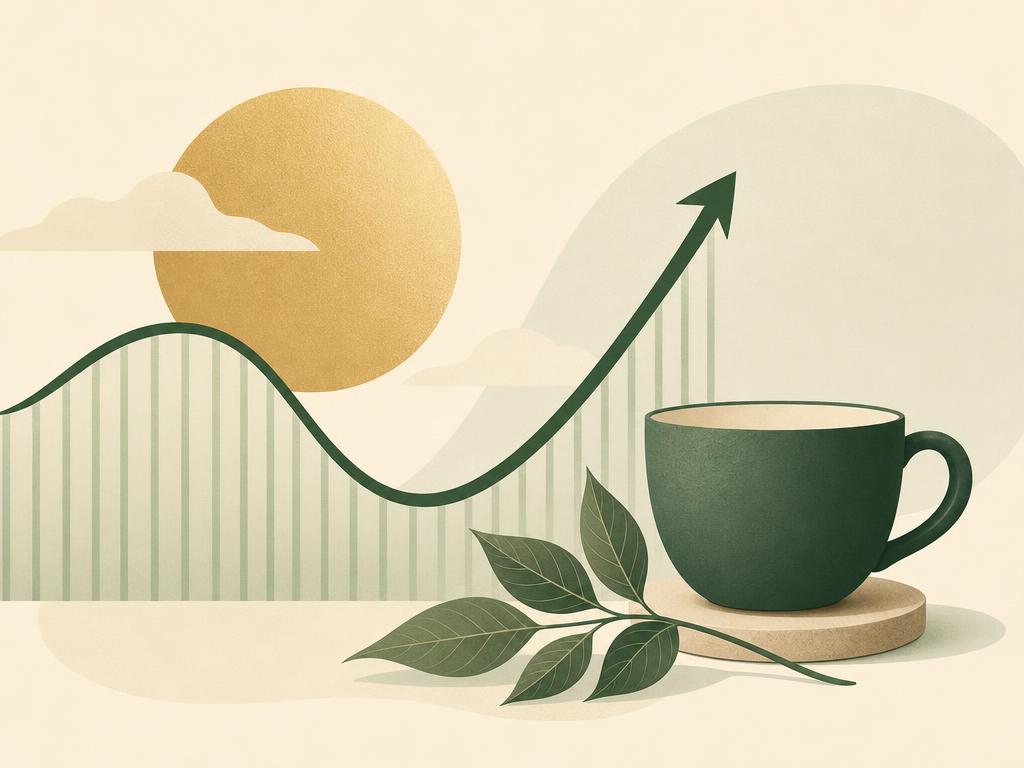
| Stage | What happens |
|---|---|
| Anxiety builds | Work stress, social pressure or rumination |
| Drink | Relief within twenty minutes, tension drops |
| Rebound | Anxiety returns higher as alcohol clears |
| Poor sleep | REM sleep suppressed, waking at 3am |
| Next day | Higher baseline anxiety, earlier urge to drink |
What happens when you stop
- Days 1 to 3: anxiety often rises before it falls, especially with daily drinking.
- Week 1: sleep starts to deepen, mornings improve.
- Weeks 2 to 4: baseline anxiety drops noticeably for most people.
- Months 2 to 3: clearer picture of whether an anxiety disorder remains underneath.
Treating both at once
- Cognitive behavioral therapy that targets both drinking triggers and anxiety thoughts.
- Naltrexone or acamprosate to reduce alcohol cravings, neither of which is habit forming.
- SSRIs for a persisting anxiety disorder, prescribed and reviewed by a doctor.
- Caution with benzodiazepines outside supervised withdrawal, given dependence risk.
- Sleep repair, regular exercise and caffeine limits, which have measurable effects on anxiety.
Read our article on the link between addiction and anxiety, and the how to stop drinking guide for a practical first month plan.
If you are still drinking
- Eat before drinking and alternate every drink with water.
- Avoid drinking as the response to a stressful day, which is the habit that entrenches fastest.
- Set the number before you go out rather than during.
- Keep three alcohol-free days a week to see your true baseline.
- Track anxiety alongside drinking for two weeks. The pattern is usually obvious in writing.
Frequently asked questions
Why is my anxiety worst at 3am after drinking?
Alcohol sedates you early, then as it clears, the rebound in your activating chemistry wakes you. Blood sugar dips and cortisol rise add to it.
Does beer cause less anxiety than spirits?
The type matters less than the amount and how fast you drink it. Total alcohol drives the rebound.
Can one drink cause anxiety?
For some people yes, particularly if they are sensitive, taking medication, or already anxious that day.
Should I treat anxiety or drinking first?
Together. Treating only anxiety leaves the driver in place, and treating only drinking can leave you without coping tools.
Where can I get help?
Start with your doctor, or call the SAMHSA National Helpline at 1-800-662-4357. If you are in crisis, call or text 988.
Talk to someone this week
One conversation with a doctor or a helpline counselor shortens this more than any amount of planning alone. It is free, and it is confidential.
Call 1-800-662-4357Sources
- NIAAA, alcohol and the brain
- National Institute of Mental Health, anxiety disorders
- SAMHSA, co-occurring disorders
This page is for information only and does not replace advice from a qualified clinician who knows your history. In the United States, call or text 988 for the Suicide and Crisis Lifeline.