
Home / Guides / Understanding Withdrawal
Understanding Withdrawal: What to Expect
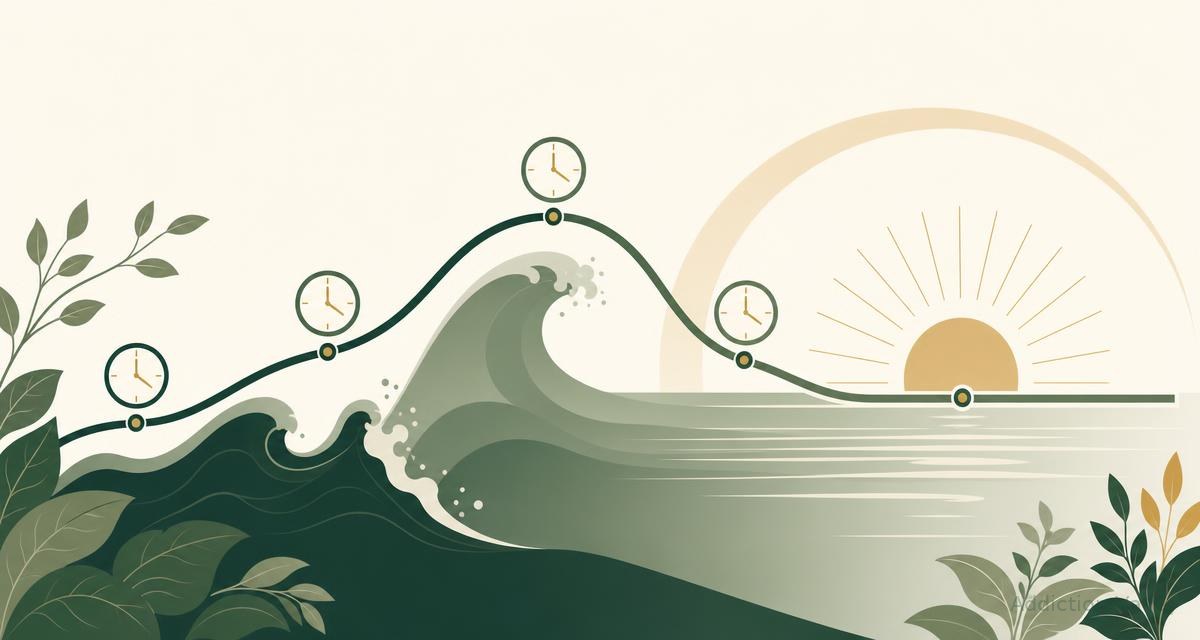
Withdrawal is what happens when a body that has adapted to a substance suddenly has less of it. Symptoms usually start within hours, peak in the first two to four days and ease over one to two weeks, though sleep, mood and cravings can take months to settle. Most withdrawal is uncomfortable rather than dangerous. Alcohol and benzodiazepines are the exceptions, because both can cause seizures and require medical supervision. Knowing the timeline for your substance makes the experience far easier to plan for.
Quick answers
How long does withdrawal last?
Acute symptoms usually last three to ten days depending on the substance. Sleep, mood and craving changes can continue for weeks or months afterwards.
Which withdrawals are dangerous?
Alcohol and benzodiazepines can cause seizures and delirium, and both need medical supervision. Opioid withdrawal is severe but rarely life threatening in a healthy adult.
Can withdrawal be treated with medication?
Yes. Benzodiazepines for alcohol, buprenorphine or methadone for opioids, and nicotine replacement or varenicline for nicotine all reduce symptoms substantially.
Does getting through withdrawal mean I am better?
No. Detox clears the substance, but the relapse risk stays high without ongoing treatment, so plan what happens on day eight before day one.
Why withdrawal happens
Regular use pushes the brain to compensate. With a depressant like alcohol, the brain increases its excitatory activity to stay balanced. Take the depressant away and that excitement is unopposed, which is why alcohol withdrawal brings shaking, racing heart and, at the extreme, seizures. Opioids do the same in reverse, leaving pain and stress systems running hot for days.
- Severity tracks how much, how often and how long someone used.
- Each episode of alcohol withdrawal can be worse than the last.
- Physical health, age, sleep and nutrition all affect how hard it feels.
- Mixing substances makes the timeline less predictable.
Timelines by substance
| Substance | Starts | Peaks | Mostly over |
|---|---|---|---|
| Alcohol | 6 to 24 hours | 24 to 72 hours | 5 to 7 days |
| Short acting opioids | 8 to 24 hours | 36 to 72 hours | 4 to 7 days |
| Methadone | 24 to 48 hours | 3 to 6 days | 10 to 20 days |
| Benzodiazepines | 1 to 4 days | Days 2 to 10 | 2 to 8 weeks with a taper |
| Stimulants | Within 24 hours | Days 1 to 3 | 1 to 2 weeks |
| Nicotine | 4 to 24 hours | Days 2 to 3 | 2 to 4 weeks |
| Cannabis | 1 to 2 days | Days 2 to 6 | 1 to 3 weeks |
For a deeper look at one substance, see our nicotine withdrawal timeline or the alcohol addiction page.
What symptoms feel like
Physical
- Sweating, chills, shaking hands and a racing heart.
- Nausea, vomiting, stomach cramps and diarrhea.
- Muscle aches, restless legs and headaches.
- Broken sleep, vivid dreams and exhaustion during the day.
Psychological
- Anxiety, irritability and a short fuse.
- Low mood, flatness and loss of interest.
- Strong cravings that come in waves rather than constantly.
- Trouble concentrating or holding a conversation.
Warning signs that need emergency care
- Delirium tremens affects a small share of people withdrawing from alcohol and can be fatal without treatment.
- Anyone with a past withdrawal seizure should detox under medical supervision.
- Pregnancy changes the calculation for every substance, so speak to a doctor first.
- Dehydration during opioid withdrawal can become serious in older adults.
Making withdrawal easier
- Speak to a doctor before you start, even if you plan to do it at home.
- Clear your calendar for the first four days.
- Ask one person to check on you daily and know when to call for help.
- Keep water, electrolyte drinks and simple food within reach.
- Take thiamine and a multivitamin if alcohol is involved.
- Accept that sleep will be poor for a while and stop fighting it.
- Book the next step, counseling or medication, before withdrawal ends.
Medication makes a real difference. Read about Suboxone treatment for opioids and alcohol detox at home for the safety questions.
After the acute phase
Many people are surprised that week three feels harder than week one. Sleep, energy and motivation lag behind the physical recovery, a pattern often called post acute withdrawal. It is normal, it fades, and it is a common point of relapse precisely because people expect to feel fine by then.
- Expect mood and sleep to fluctuate for several weeks.
- Keep one structured commitment in each day.
- Track improvements weekly rather than hourly.
- Stay in contact with support through the flat patches.
Frequently asked questions
Can I go through withdrawal at home?
For nicotine, cannabis and stimulants, usually yes. For alcohol and benzodiazepines, get medical advice first because both can cause seizures.
Why is my sleep so bad in withdrawal?
Substances suppress normal sleep architecture, and it takes weeks for deep sleep and REM to rebalance. Keeping consistent hours speeds this up.
Does withdrawal get worse each time?
With alcohol it often does, a pattern known as kindling, which is one reason repeated unsupervised detox is risky.
How soon can I start treatment?
Straight away. Buprenorphine can begin during opioid withdrawal, and counseling can start before detox is even finished.
Talk to someone this week
One conversation with a doctor or a helpline counselor shortens this more than any amount of planning alone. It is free, and it is confidential.
Call 1-800-662-4357Sources
- NIAAA: Alcohol withdrawal
- NIDA: Treatment and recovery
- SAMHSA national helpline
- MedlinePlus: Alcohol withdrawal
This page is for information only and does not replace advice from a qualified clinician who knows your history. In the United States, call or text 988 for the Suicide and Crisis Lifeline.