Home / Guides / Harm Reduction
A Beginner's Guide to Harm Reduction
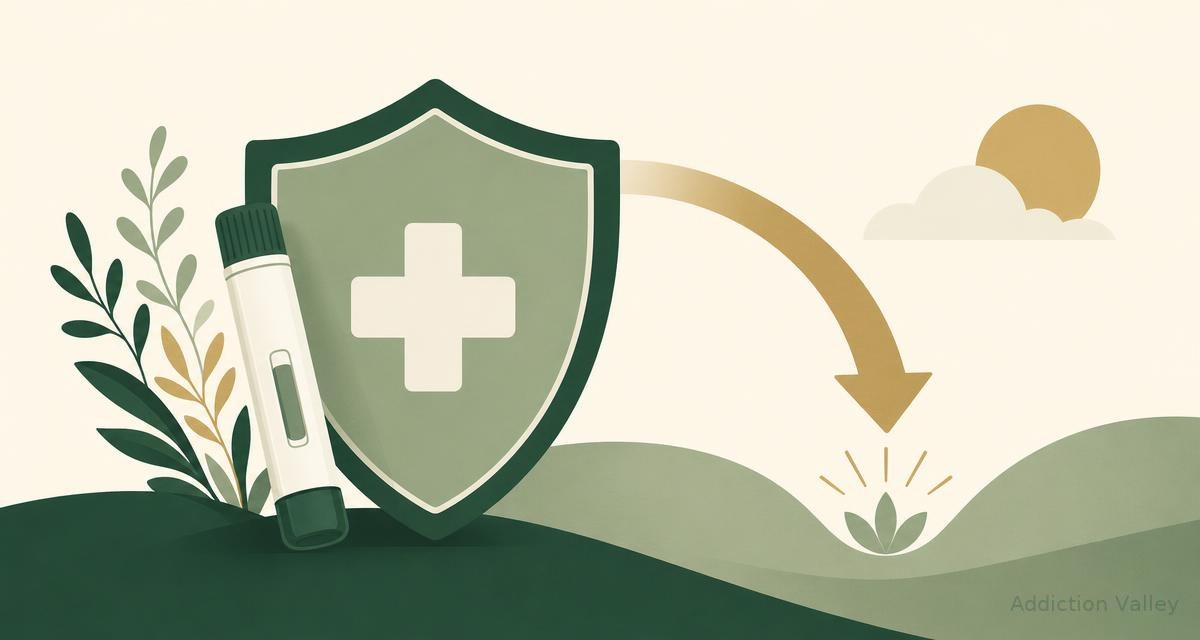
Harm reduction is a practical set of steps that keeps someone alive and healthier while they are still using drugs or alcohol. It does not require a person to stop first, and it does not replace treatment. Naloxone, fentanyl test strips, never using alone, clean supplies and safer drinking practices all reduce the risk of overdose, infection and injury. Research consistently shows these measures cut deaths and disease transmission, and people who use them are more likely to enter treatment later, not less.
Quick answers
What is harm reduction in simple terms?
It means reducing the danger attached to drug or alcohol use right now, rather than waiting for someone to stop. Staying alive keeps every other option open.
Does harm reduction encourage drug use?
No. Decades of research from the CDC and others show these services do not increase use, and people who access them are more likely to start treatment.
Where can I get naloxone?
Any US pharmacy sells naloxone nasal spray over the counter, and many health departments and harm reduction programs give it away free.
Is harm reduction only for opioids?
No. It applies to alcohol, stimulants, cannabis and prescription medicines, from pacing drinks to avoiding mixing substances.
What harm reduction actually means
Harm reduction starts from a simple position: someone who is using drugs or alcohol today deserves to be safer today. It accepts that not everyone is ready or able to stop, and that a person who dies of an overdose never gets the chance to recover.
- It meets people where they are, without demanding abstinence first.
- It focuses on the specific risks: overdose, infection, injury, legal trouble.
- It treats the person as capable of making better decisions with better information.
- It works alongside treatment rather than competing with it.
- It keeps the door open, because contact today makes help tomorrow more likely.
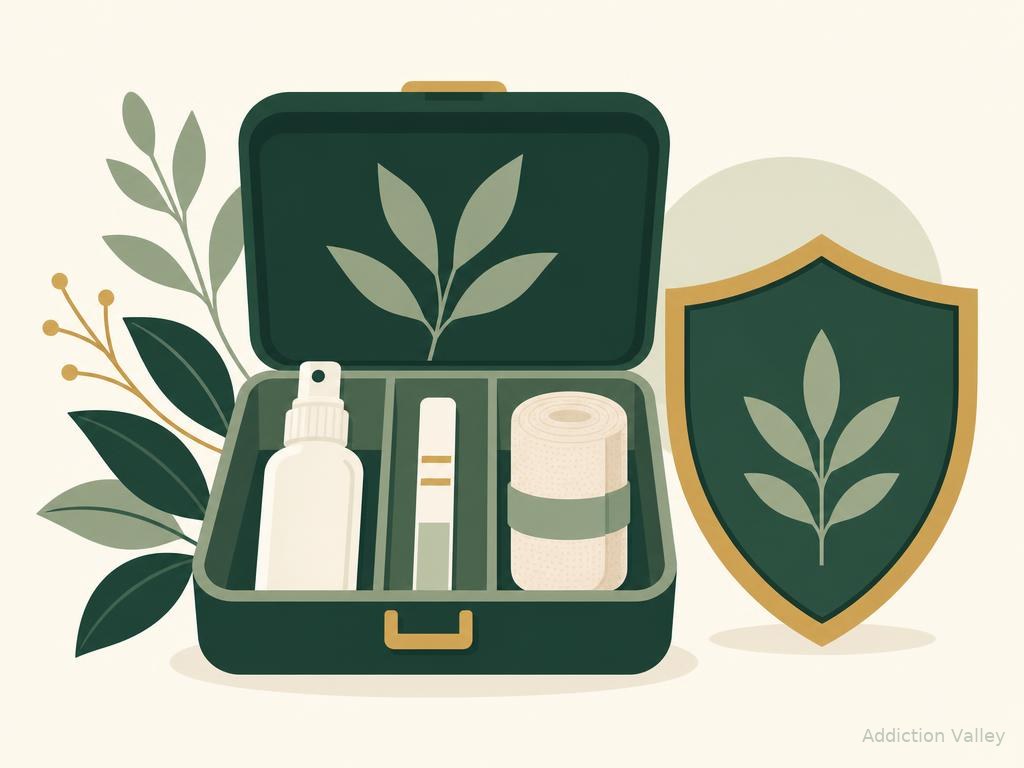
The core tools
| Tool | What it prevents |
|---|---|
| Naloxone nasal spray | Death from an opioid overdose, including fentanyl |
| Fentanyl test strips | Unknowingly taking fentanyl in pills, powder or stimulants |
| Never using alone | An unwitnessed overdose with nobody to respond |
| Clean syringes and supplies | HIV, hepatitis C, abscesses and endocarditis |
| Not mixing substances | Respiratory depression from opioids plus alcohol or benzodiazepines |
| Start low, go slow | Overdose after a break in use, when tolerance has dropped |
Responding to an overdose
- Try to wake the person by shouting their name and rubbing your knuckles hard on their breastbone.
- Call 911 and say the person is not breathing, which brings the fastest response.
- Give naloxone into one nostril, then a second dose in the other nostril after two to three minutes if there is no response.
- Start rescue breaths or chest compressions if they are not breathing.
- Roll them onto their side once they are breathing, so they cannot choke.
- Stay with them, because naloxone wears off before many opioids do.
Most states have Good Samaritan laws that protect people who call for help during an overdose. Check the rules where you live before you need them.
Harm reduction for alcohol
- Eat before drinking and alternate every alcoholic drink with water.
- Count standard drinks rather than glasses, since pours vary widely.
- Avoid mixing alcohol with benzodiazepines, opioids or sleep medication.
- Take thiamine daily if you drink heavily, to protect the brain.
- Never stop suddenly after long term heavy daily drinking, because withdrawal can cause seizures.
- Set a limit before you go out and tell someone what it is.
If cutting down is the goal, our guide to tapering off alcohol explains how to reduce safely, and how to stop drinking covers the weeks that follow.
Where to find services
- Pharmacies stock naloxone nasal spray over the counter nationwide.
- State and county health departments often distribute naloxone and test strips free.
- Syringe service programs provide clean supplies, testing and referrals.
- FindTreatment.gov lists licensed treatment providers by zip code.
- SAMHSA's national helpline on 1-800-662-4357 is free and confidential, 24 hours a day.
How it connects to treatment
Harm reduction is not the opposite of treatment. Medication for opioid use disorder is itself a harm reduction measure, and it is the most effective one available. People who stay connected to services through a harm reduction program are more likely to start medication and counseling when they are ready.
Read more about Suboxone treatment and types of treatment programs when that step feels possible.
Frequently asked questions
Do I need a prescription for naloxone?
No. The FDA approved naloxone nasal spray for over the counter sale, so any pharmacy can sell it, and many programs hand it out free.
Do fentanyl test strips actually work?
They reliably detect fentanyl in a dissolved sample, though they cannot show how much is present or whether it is spread evenly through a batch.
Is harm reduction legal in the US?
Naloxone is legal everywhere. Rules on test strips and syringe services vary by state, though many states have removed old restrictions in recent years.
Can family members use harm reduction?
Yes. Carrying naloxone, learning overdose response and keeping communication open are some of the most useful things a family can do.
Talk to someone this week
One conversation with a doctor or a helpline counselor shortens this more than any amount of planning alone. It is free, and it is confidential.
Call 1-800-662-4357Sources
This page is for information only and does not replace advice from a qualified clinician who knows your history. In the United States, call or text 988 for the Suicide and Crisis Lifeline.