
Recovery Apps: Tools That Support Sobriety
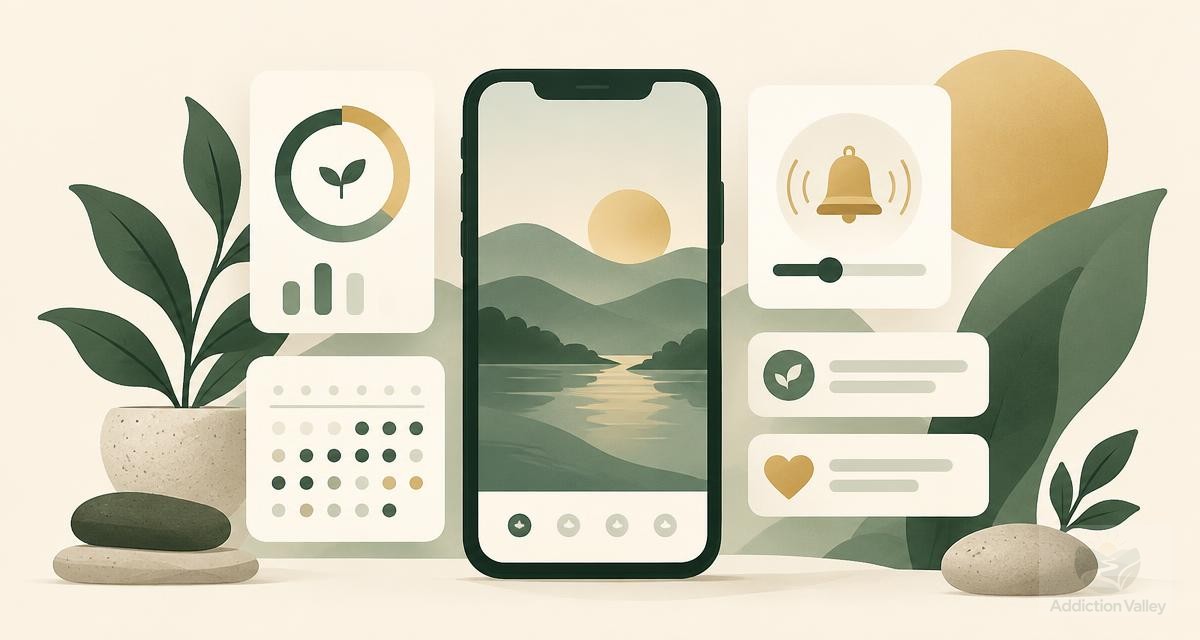
Recovery apps are phone-based tools that support sobriety between meetings, therapy sessions and everyday life. The most useful ones do a few simple jobs well: counting sober days, logging cravings and moods, teaching coping skills from cognitive behavioral therapy, connecting you to peers, and reminding you of your plan when things get hard. Evidence for digital support is promising. A large 2025 review found that remote interventions can improve outcomes for people in alcohol and drug treatment, and the FDA has authorized prescription therapy apps as part of professional treatment. At the same time, most apps in the app stores have never been tested in research, so the strongest approach is to pick an app with proven features, use it alongside treatment or peer support, and treat it as a tool rather than a treatment.
Quick answers
Do recovery apps actually work?
The evidence is genuinely encouraging but mixed. Digital interventions studied by researchers tend to reduce drinking and drug use when they are added to treatment, and engagement matters: people who use them consistently do better than people who open them once. Apps nobody has studied may still help you, but their benefit is unproven.
What is the best app for staying sober?
There is no single best app. Look for one that matches your needs: a sober day counter and craving log, cognitive behavioral therapy skills, peer connection, or a companion app from your treatment program. The app you will actually open every day beats a fancier one you abandon.
Can an app replace rehab or therapy?
No. Apps are support tools, not treatment. If you have a substance use disorder, an app works best alongside counseling, medication, mutual support groups, or a treatment program.
Are sobriety apps private?
It varies. Before entering personal information, check the privacy policy for what data is collected, whether it is shared or sold, and whether peer posts are visible to the public. Some peer support apps connect you with strangers, so share only what you are comfortable posting.
What recovery apps actually do
Recovery from addiction happens mostly in ordinary life, in the hours between appointments and meetings. Apps are useful precisely because they are there in those moments: at 11 p.m. when a craving hits, or on day three when motivation dips. Most sobriety apps are built from a small set of jobs.
The main jobs recovery apps do
- Track time sober, with counters, milestones and money saved.
- Log cravings, moods and triggers so you can see patterns over weeks.
- Teach coping skills drawn from cognitive behavioral therapy and related approaches.
- Connect you to peers through forums, chat or sponsored meeting lists.
- Guide mindfulness and breathing exercises that lower stress in the moment.
- Send reminders of your reasons for quitting, your support contacts and your plan.
- Share progress with a counselor or treatment program when the app is part of care.
Researchers call these digital recovery support services, and a review led by researchers at Harvard and NIH concluded they have real potential to complement formal treatment and improve recovery outcomes (Recovery Research Institute).
What the research says
A 2025 systematic review and meta-analysis in the journal Addiction examined randomized trials of remote and digital interventions for alcohol and drug problems across OECD countries. Its overall finding was that digital and remote interventions can be effective as part of treatment and recovery support, though effects vary by intervention type and how they are delivered [Addiction, 2025].
There is also a caution worth knowing. A systematic search of the commercial app stores found that while hundreds of apps target alcohol and drug use, very few are grounded in evidence-based methods, and the researchers called for more rigorous evaluation of what people can actually download [JMIR, 2019]. In plain terms: the best studied apps are usually provided through treatment programs or built by research teams, while many store-bought trackers are untested.
What separates useful apps from the rest
- Built on recognized approaches such as cognitive behavioral therapy, contingency management or motivational interviewing.
- Studied in published trials, or recommended by a treatment provider.
- Designs that keep you coming back: streaks, check-ins, community, gentle reminders.
- Clear privacy practices and honest claims, not promises of a cure.
Studies of peer support platforms point in the same direction. An analysis of Sober Grid, a free recovery social network app, found that users engaged with its peer support features in patterns linked to recovery milestones, which supports the idea that connection is one of the most valuable things an app can provide [J Subst Abuse Treat, 2019].
Prescription apps: reSET and reSET-O
A small category of apps are regulated medical products rather than store-shelf tools. In September 2017 the FDA permitted marketing of the first mobile medical application for substance use disorder, reSET, which delivers cognitive behavioral therapy as part of outpatient treatment for alcohol, cocaine, marijuana and stimulant problems [FDA, 2017].
reSET is prescription only, runs a 12-week program, and is designed to be used alongside clinician-supervised outpatient treatment, not instead of it. The FDA is explicit that it is not a stand-alone treatment and not a substitute for medication [FDA De Novo summary]. A related app, reSET-O, was later cleared as an adjunct to buprenorphine treatment for opioid use disorder, and trial data showed better treatment retention when it was added to usual care [Curr Med Res Opin, 2021].
The practical takeaway: if a treatment provider prescribes or recommends a companion app, it sits on firmer evidence ground than most downloads. If you want to know how professional treatment fits together, our guide to treatment programs compared is a good starting point.
Types of recovery apps and who they suit
| Type | What it does | Good fit for |
|---|---|---|
| Day counters and trackers | Count sober days, log cravings and triggers, show money saved | Building momentum and seeing patterns early on |
| CBT-based apps | Teach skills for managing thoughts, urges and emotions | People who want practical tools between counseling sessions |
| Peer support networks | Connect you with others in recovery by chat, forum or meeting lists | People who feel isolated or want support at any hour |
| Mindfulness apps | Guided meditation, breathing and sleep exercises | Stress, cravings and sleep problems in early recovery |
| Treatment companions | Sync with a treatment program, deliver lessons and check-ins | People enrolled in outpatient care or telehealth programs |
Many people combine two apps, for example a simple tracker plus a peer community, or add mindfulness practice alongside the skills work. Our guides to CBT for addiction and 12-step alternatives cover the approaches behind many of these tools, and telehealth addiction treatment explains how app-based care fits into virtual programs.
How to choose an app you will actually use
- Name your main need first: craving support, accountability, community, or structure between sessions.
- Ask your counselor, doctor or peer group what they recommend. Apps connected to real care get used longer.
- Check the privacy policy before entering anything personal: what is collected, stored and shared.
- Try one app for two full weeks. Habits with apps form the same way habits with anything else do.
- Set up the basics on day one: your reasons for quitting, support contacts and daily reminder times.
- Notice how you feel when you use it. A good app leaves you more capable, not more anxious about streaks.
One honest warning: some people find day counters stressful after a relapse, because a reset feels like erasing progress. If that happens, remember that the hours and skills you built still count. Pick an app that treats slips as information, not failure, or use a craving log instead of a public streak.
An app also works best inside a routine rather than as the routine. Our guide to an early recovery routine shows where check-ins, meetings and sleep fit together.
What apps cannot do
- An app cannot diagnose a substance use disorder or prescribe medication.
- It cannot respond to an overdose or a mental health crisis. If someone may have overdosed, call 911. If you are in crisis, call or text 988.
- It cannot replace the accountability of people who know you: a counselor, a group, or honest friends and family.
- It cannot force engagement. The most evidence-backed app only works if you open it.
Used that way, apps are a quiet advantage: a sponsor in your pocket, a craving log that remembers for you, a therapy lesson on the bus. If you want more human connection to pair with the digital kind, our guide to support groups beyond AA lists free options with meetings every day.
Frequently asked questions
Are recovery apps effective?
Apps studied by researchers, especially those delivering cognitive behavioral therapy alongside treatment, have shown benefits such as higher abstinence and better retention in care. A 2025 meta-analysis in the journal Addiction found remote and digital interventions can be effective as part of treatment. Most store-bought apps have not been tested, so treat them as unproven but potentially useful tools.
What is reSET?
reSET is a prescription-only mobile app cleared by the FDA in 2017. It delivers a 12-week cognitive behavioral therapy program as part of clinician-supervised outpatient treatment for substance use disorder. It is not a stand-alone treatment and is not for people whose primary problem is opioids.
How much do sobriety apps cost?
Many good ones are free, including peer support networks and basic trackers. Some charge subscriptions for premium features. Prescription digital therapeutics are different: they are ordered by a clinician and may be billed like other medical care.
Can I use a recovery app with AA or SMART Recovery?
Yes. Apps pair well with mutual support groups: a tracker and craving log between meetings, or a mindfulness app alongside step work. Group members and sponsors often recommend specific tools.
What happens to my data in a sobriety app?
It depends on the developer. Reputable apps explain what they collect and never sell your identity or relapse history. Read the privacy policy before entering personal details, and be careful with peer apps that connect you to strangers.
Do I have to be completely sober to use one?
No. Some apps support people cutting back on drinking, and tracking tools work whether your goal is abstinence or moderation. If you have tried to cut back many times and failed, that is worth mentioning to a doctor, because it suggests a level of dependence that deserves medical support.
Talk to someone this week
One conversation with a doctor or a helpline counselor shortens this more than any amount of planning alone. It is free, and it is confidential.
Call 1-800-662-4357Sources
- FDA, first mobile medical app for substance use disorder (2017)
- FDA De Novo summary, reSET (DEN160018)
- Addiction, remote and digital interventions meta-analysis (2025)
- JMIR, systematic search of substance use apps (2019)
- Journal of Substance Abuse Treatment, Sober Grid digital recovery network (2019)
- Current Medical Research and Opinion, reSET-O with buprenorphine (2021)
- SAMHSA National Helpline
This page is for information only and does not replace advice from a qualified clinician who knows your history. In the United States, call or text 988 for the Suicide and Crisis Lifeline.