Home / Guides / CBT for Addiction
CBT for Addiction: How It Works and What to Expect
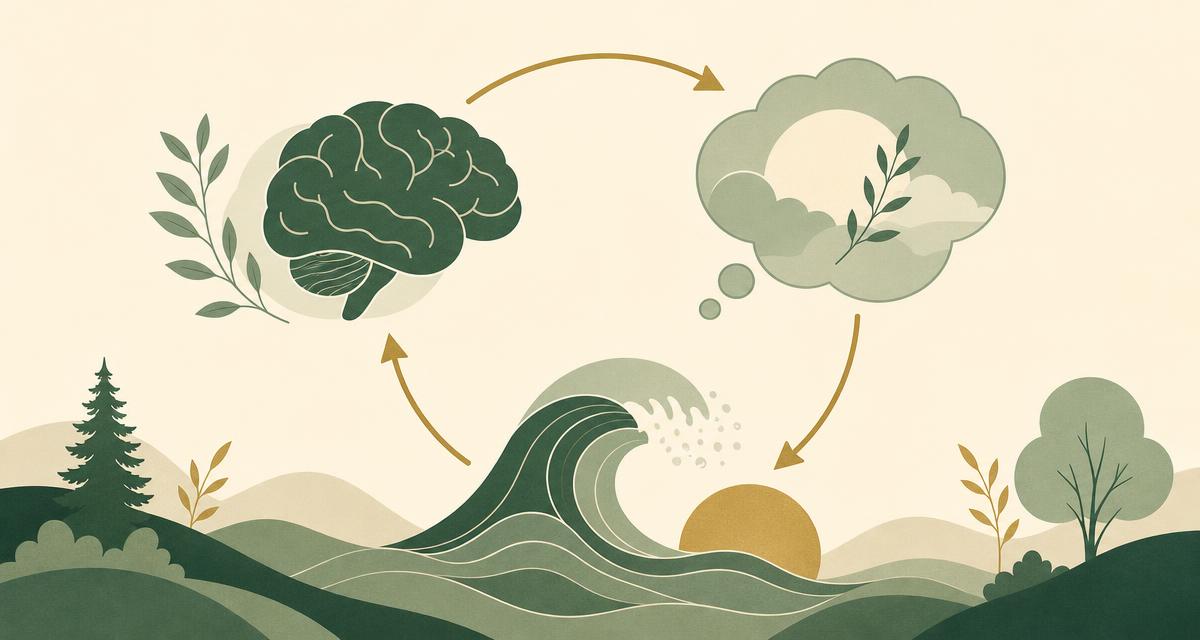
Cognitive behavioral therapy for addiction works on the chain that runs from trigger to thought to urge to use. Rather than exploring the distant past, it trains you to notice that chain in real time and break it at a point you can actually control. Typical treatment is twelve to sixteen weekly sessions with homework between them, and the skills keep working after therapy ends, which is why the benefits often grow rather than fade. It combines well with medication, and evidence supports it across alcohol, stimulant, cannabis and opioid use disorders.
Quick answers
What is CBT for addiction?
A structured, present-focused therapy that identifies triggers and the thoughts that follow them, then builds practical alternatives to using.
How long does it take?
Most programs run twelve to sixteen weekly sessions, though some formats are shorter and many people continue with periodic booster sessions.
Does CBT work for addiction?
Yes. It is one of the most studied psychological treatments for substance use, with consistent benefits, particularly when combined with medication.
What happens in a session?
You review the week, look at any urges or lapses, learn a specific skill, practice it, and agree homework to apply it before the next session.
The chain CBT targets
- A trigger: a place, person, feeling, time of day or physical state.
- An automatic thought: this has been a terrible day, one will not hurt.
- An urge: physical restlessness and narrowing attention.
- A permission-giving belief: I deserve this, I will start again Monday.
- The behavior, followed by relief and then consequences.
Each link is a place to intervene. Most people find the thought and permission-giving steps easiest to change first, because urges pass on their own once they are not being fed.
Core techniques you will learn
| Technique | What it does |
|---|---|
| Functional analysis | Maps what happens before and after each episode of use |
| Trigger mapping | Lists your specific high-risk people, places and states |
| Urge surfing | Rides an urge out, since most peak and fall in twenty to thirty minutes |
| Thought challenging | Tests permission-giving beliefs against evidence |
| Refusal skills | Rehearsed, specific responses for real situations |
| Activity scheduling | Rebuilds rewarding routine that does not involve using |
| Relapse plan | Written steps for lapses so one becomes an event, not a return |
What a course looks like
- Weeks 1 to 2: assessment, goal setting, functional analysis of recent use.
- Weeks 3 to 6: coping skills, refusal practice, managing cravings.
- Weeks 7 to 10: mood, sleep, relationships and problem solving.
- Weeks 11 to 16: relapse prevention, lifestyle balance and a written maintenance plan.
How it compares with other approaches
| Approach | Best suited to |
|---|---|
| CBT | Practical skill building and relapse prevention |
| Motivational interviewing | Ambivalence about changing at all |
| Contingency management | Stimulant use, where it has the strongest evidence |
| DBT | Strong emotional swings, self-harm, trauma history |
| Twelve-step facilitation | People who want and use group fellowship |
Most programs blend these. See our treatment options article for how they fit together.
How to access CBT
- Ask your doctor for a referral to a therapist trained in CBT for substance use.
- Search FindTreatment.gov for outpatient programs listing CBT.
- Check your insurer's behavioral health directory for in-network therapists.
- Ask about telehealth if travel or work makes attendance difficult.
- Ask specifically whether they also support medication treatment.
Frequently asked questions
Can CBT be done online?
Yes. Telehealth CBT shows similar results to in-person delivery for many people, and it removes travel as a barrier.
Is CBT enough on its own?
For some people yes. For opioid and alcohol use disorder, combining it with medication produces better outcomes than therapy alone.
What if I lapse during treatment?
That is treated as information rather than failure. The lapse gets mapped, and the plan is adjusted at the point where it broke down.
Are there self-help CBT resources?
Yes, including workbooks and structured apps. They help, though they work best alongside at least some professional contact.
How much does it cost?
Typically $100 to $250 a session privately, less with insurance, and free or sliding scale through community health centers.
Talk to someone this week
One conversation with a doctor or a helpline counselor shortens this more than any amount of planning alone. It is free, and it is confidential.
Call 1-800-662-4357Sources
- NIDA, principles of drug addiction treatment
- SAMHSA, evidence-based practices resource center
- NIH, research on cognitive behavioral therapy for substance use
This page is for information only and does not replace advice from a qualified clinician who knows your history. In the United States, call or text 988 for the Suicide and Crisis Lifeline.